
"Ethiopian border coffee"
700 article(s) found

Introduction to the grade of Ethiopian coffee beans
The coffee producing areas of Ethiopia are Sidamo, Harald and Sidamo, Harrar and Yirgacheffe. Sidamo and Harrar are provinces and divisions. Sidamo is located in the south of Ethiopia bordering Kenya, and Harrar borders Somalia in the east of Ethiopia. Although Yirgacheffe is a community in the Sidamo region, due to soil composition and water content and other reasons.

Introduction of Ethiopian Yejasuefei Coffee area with balanced Flavor
The coffee producing areas of Ethiopia are Hidamo, Harald and Sidamo, Harrar and Yirgacheffe. Sidamo and Harrar are provinces and divisions. Sidamo is located in the south of Ethiopia bordering Kenya, and Harrar borders Somalia in the east of Ethiopia. Although Yirgacheffe is a community in the Sidamo region, due to soil composition and water content and other reasons.
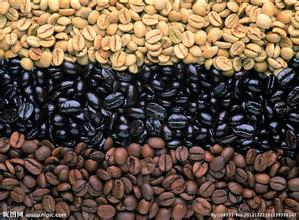
Introduction to the origin and characteristics of Ethiopian coffee, Yega Xuefei
The coffee producing areas of Ethiopia are Sidamo, Harald and Sidamo, Harrar and Yirgacheffe. Sidamo and Harrar are provinces and divisions. Sidamo is located in the south of Ethiopia bordering Kenya, and Harrar borders Somalia in the east of Ethiopia. Although Yirgacheffe is a community in the Sidamo region, due to soil composition and water content and other reasons.

Ethiopian coffee only needs to be introduced in the producing area.
The coffee producing areas of Ethiopia are Sidamo, Harald and Sidamo, Harrar and Yirgacheffe. Sidamo and Harrar are provinces and divisions. Sidamo is located in the south of Ethiopia bordering Kenya, and Harrar borders Somalia in the east of Ethiopia. Although Yirgacheffe is a community in the Sidamo region, due to soil composition and water content and other reasons.

Soft acidity Ethiopian coffee flavor Taste Manor Features
Ethiopia's coffee producing areas are Sidamo, Harrar and Yirgacheffe. Sidamo and Harrar are provinces and divisions. Sidamo is located in the south of Ethiopia and adjacent to Kenya. Harrar borders Somalia in the east of Ethiopia. Although Yirgacheffe is a small area in Sidamo region, due to soil composition and water content, etc.

A brief introduction to the grading system of Ethiopian, Ethiopian and Bancimaji coffee beans
In the West, Ethiopian coffee is generally sold on the market as Yega Feixidamo and Harald (Yirgacheffee, Sidamo and Harrar). In the field of boutique coffee, there are also five other small places of coffee, namely Lim, Gemma, Le Campdi, Becca and Limmu, Djimmah, Lekempti, Bebeka and Wolega. What you see most often is

Ethiopian Sunshine Sidama Coffee Flavor and Taste introduction to Sidamo producing area
Gima, which accounts for about 50 per cent of Ethiopia's annual output, grows between 4400 and 6000 feet above sea level in the country's southwestern highlands (the border between Kaffa and Illubabor provinces) and is usually exported to G5/G4. However, in recent years, about 10% or 20% of Gima has been used to make up for the lack of taste of coffee, but its quality has gradually declined to its own level, but for the purchase of
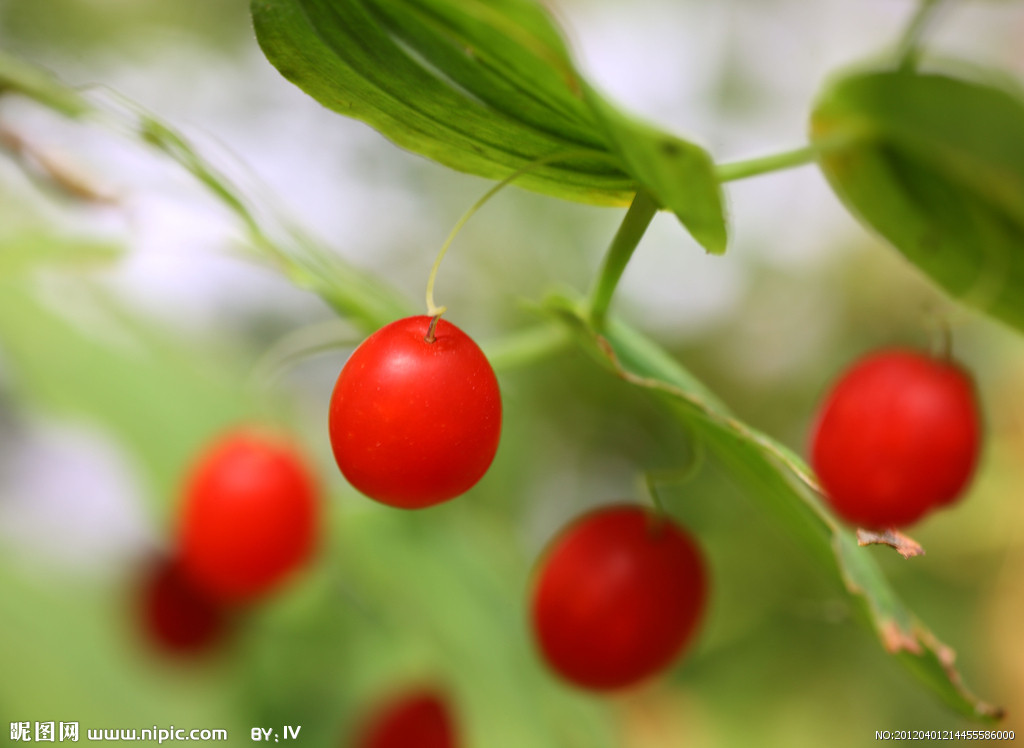
Djimmah producing area Ethiopian boutique coffee beans African flavor coffee
Yega Chefe and Sidamo, which are famous for their bright sour taste, are famous for their charming and mixed fragrance, while the western half of the forest is covered with a large area of primeval forest, mostly in the process of complete natural evolution, creating a more complex variety of coffee. The coffee varieties in the Kafa forest in the southwest are extremely resistant to disease. Due to natural evolution and less manual screening, its overall flavor is slightly lower than that of the eastern half of the wall. The coffee producing areas of Ethiopia are
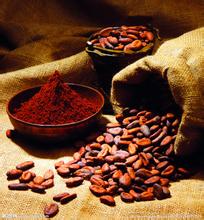
Ethiopian Coffee Culture the Development of Ethiopian Coffee
Ethiopian Coffee has a long History Ethiopian Coffee has a very important history and culture the highest grades of Ethiopian coffee Yega Xuefei G1 G2 Sidamo (Yirgacheffe, Sidamo) are grade 2 and 3 (G2, G3), while sun-processed coffee in eastern Ethiopia is mostly grade 4 or 5 (G4, G5). In many cases, level four coffee is marked as level five.

Ethiopian coffee taste
Ethiopian Coffee Taste concern Review (official Wechat account vdailycom) found that the natural characteristics of coffee beans in a beautiful cafe to open its own small shop include large
Flavor description of Ethiopian Coffee producing area
For more information on coffee beans, please follow Coffee Workshop (Wechat official account cafe_style) Ethiopia is a landlocked country in East Africa, bordered by Eritrea to the north and north-east, Djibouti and Somalia to the east, Kenya to the south and Sudan and South Sudan to the west. A vibrant earth

Introduction to the Flavor description treatment of Ethiopian Sidamomo Lion King Coffee Variety characteristics
Ethiopian coffee Ethiopian coffee Ethiopia washed coffee Yega Xuefei G1 G2 Sidamo (Yirgacheffe, Sidamo) is the highest grade 2 and 3 (G2, G3), while the sun-processed coffee in eastern Ethiopia is mostly grade 4 or 5 (G4, G5). In many cases, level 4 coffee is marked as level 5 in order to reduce taxes. At present, the classification is not uniform and a little messy, because

Ethiopian Kocher Estate Coffee Flavor Taste Estate Features
Light Rail: On the morning of September 20, 2015, Addis Ababa Light Rail, the capital of Ethiopia, which was constructed by China Railway Corporation and provided operation and management services by Shenzhen Metro Group, was officially put into operation. Addis Ababa Light Rail Project consists of east-west line and north-south line. The planned main line of the project is about 75km long. The first phase of light rail project will be implemented this time, with the total length of main line of 31.048km(including 2.662km of common rail section).

The grade of Ethiopian coffee in Ethiopian coffee producing areas
The grade of Ethiopian coffee: Ethiopian water washed coffee Yega Xuefei, the highest grade of Yirgacheffe and Sidamo may be level 2 or 3 (G2 or G3), and most sun-processed coffee in eastern Ethiopia is grade 4 or 5 (G4, G5). In many cases, level 4 coffee is marked as level 5 in order to reduce taxes. The current classification is not very uniform.

Introduction to the taste grinding degree of Ethiopian coffee flavor description method
At present, about 25% of the Ethiopian population directly or indirectly depends on coffee production for a living. The majority of farmers use traditional planting methods. Artificial care of coffee trees, the use of organic fertilizers, do not use harmful pesticides and herbicides, etc. Therefore, most of the coffee produced by Ethiopia is organic coffee. Due to different planting methods, coffee can be divided into forest-semi-forest coffee (Forest or semi-f).

The grade of Ethiopian coffee
Grade of Ethiopian coffee: Ethiopian washed coffee Yega Chuefei G1 G2 Sidamo (Yirgacheffe, Sidamo) has the highest grades 2 and 3 (G2, G3), while sun-processed coffee in eastern Ethiopia is mostly grade 4 or 5 (G4, G5). In many cases, level 4 coffee is marked as level 5 in order to reduce taxes. At present, the classification is not uniform and there are

Flavor description of Ethiopian Coffee beans introduction to Grinding scale of varieties in producing areas
Grade of Ethiopian coffee: Ethiopian washed coffee Yega Chuefei G1 G2 Sidamo (Yirgacheffe, Sidamo) has the highest grades 2 and 3 (G2, G3), while sun-processed coffee in eastern Ethiopia is mostly grade 4 or 5 (G4, G5). In many cases, level 4 coffee is marked as level 5 in order to reduce taxes. At present, the classification is not uniform and there are

Flavor characteristics of Ethiopian Fine Coffee Ethiopian Coffee
Ethiopia is the hometown of Arabica coffee, and it is in the forests of Kaffa that you can see wild Arabica coffee. In Ethiopian, coffee is called Bun or Buna, and coffee beans (coffeebean) may be translated from Kaffa Bun. Arabica coffee was discovered early in the Harald area, probably from Kafa.

Introduction to the production area of Coffee Bean by Grinding and Calibration method
Introduction of Ethiopian Coffee Bean varieties Classification characteristics Grinding Calibration method Coffee producing areas in Ethiopia are Sidamo, Harald and Sidamo, Harrar and Yirgacheffe. Sidamo and Harrar are provinces and divisions, Sidamo is located south of Ethiopia bordering Kenya, Harrar is bordering Somalia in the east of Ethiopia, Yirgacheffe

Introduction to the description of taste and flavor of high-quality coffee beans in Ethiopian coffee farm
Grade of Ethiopian coffee: Ethiopian washed coffee Yega Chuefei G1 G2 Sidamo (Yirgacheffe, Sidamo) has the highest grades 2 and 3 (G2, G3), while sun-processed coffee in eastern Ethiopia is mostly grade 4 or 5 (G4, G5). In many cases, level 4 coffee is marked as level 5 in order to reduce taxes. At present, the classification is not uniform and there are